Can breast cancer be painful?
A painless, hard mass that has irregular edges is more likely to be cancer, but breast cancers can be also soft, round, tender, or even painful. Other possible symptoms of breast cancer include: Swelling of all or part of a breast (even if no lump is felt) Skin dimpling (sometimes looking like an orange.
Who is at high risk for breast cancer?
Studies have shown that your risk for breast cancer is due to a combination of factors. The main factors that influence your risk include being a woman and getting older. Most breast cancers are found in women who are 50 years old or older.
What color is breast cancer discharge?
What does breast cancer nipple discharge look like? Nipple discharge that’s bloody or clear may be a sign of breast cancer. This is especially true if it’s leaking from just one breast. People with nipple discharge due to cancer often feel a lump on their breast, as well.
What happens to your body when you have breast cancer?
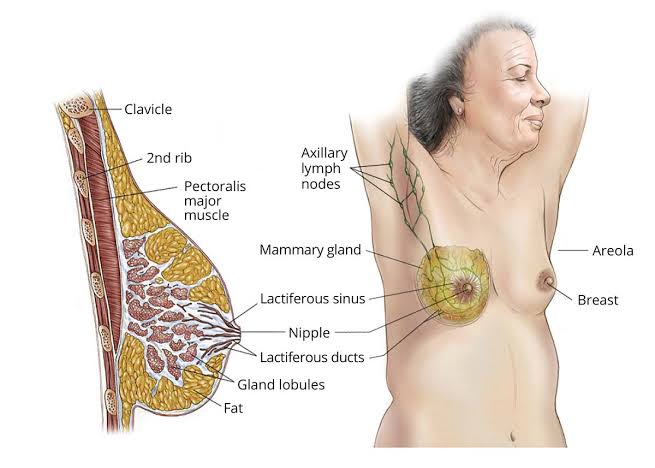
Cancer cells can spread into nearby breast tissue (invasion). This creates tumors that cause lumps or thickening. Invasive cancers can spread to nearby lymph nodes or other organs (metastasize). Metastasis can be life-threatening and fatal.
What is the greatest cause of breast cancer?
The precise causes of breast cancer are unclear, but we know the main risk factors. Still, most women considered at high risk for breast cancer do not get it, while many with no known risk factors do. The main risks are being older and having breast cancer in your family.
What can I do to lower my risk of breast cancer?
Limit or stay away from alcohol. It’s safest not to drink alcohol.
Stay at a healthy weight. Ask a member of your health care team whether your weight is healthy.
Get active.
Breastfeed.
Limit hormone therapy after menopause.
If you smoke, quit.
What organ is most affected by breast cancer?
The most common parts of the body where breast cancer tends to spread (metastasize) are the bones, lungs, brain, and liver. But metastatic breast cancer can affect other parts of the body, as well.
Can breast cancer affect your periods?
Having breast cancer can have impacts large and small, including changes to your hormones and your period. That said, a missing period isn’t necessarily a sign of breast cancer in fact, some research suggests that women who develop breast cancer are more likely to have regular cycles.
What does breast cancer look like?
Invasive breast cancer can look like a white patch or mass on a mammogram. The tumor cells that began in the milk duct don’t stay within the clear borders of the duct. Instead, they invade the nearby breast tissue. The outer edges of these cells …