

Dandogo: All You Need to Know About The Regal Agbada of the Yoruba Elite
By Fasuyi Tolulope Samuel
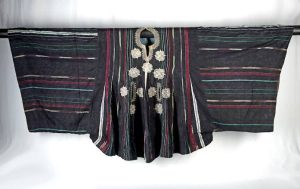 The Dandogo, a variant of the traditional Yoruba agbada, is a highly distinguished attire that embodies the opulence and cultural sophistication of the Yoruba people.
Known for its flowing elegance and intricate embroidery, this attire was primarily worn by the rich and influential in the Yoruba society. As a symbol of status and wealth, the Dandogo remains an important part of Yoruba cultural heritage, especially during significant social gatherings and ceremonial events.
A Look into Dandogo and its Significance
The agbada itself, often referred to as a “voluminous attire,” is one of the most iconic pieces of clothing in West African fashion, particularly among the Yoruba. Dandogo takes the base structure of the agbada and enhances it with even more elaborate designs and embroidery, distinguishing it from the everyday agbada. Typically made from rich fabrics like aso oke or adire, the Dandogo was worn by chiefs, wealthy traders, and those of high social standing.
Historically, the garment served not only as a piece of clothing but as a marker of prestige. Much like the medieval robes worn in the Sahelian kingdoms, from which the agbada draws inspiration, the Dandogo symbolized power and influence. Its large sleeves and embroidered front and back panels were not just for aesthetic appeal—they marked the wearer’s importance, making it an essential component of royal ceremonies, traditional weddings, and religious festivals.
The embroidery on the Dandogo is a work of art in itself, often featuring native Yoruba motifs that showcase the craftsmanship and artistic heritage of the Yoruba people. The patterns symbolize various aspects of Yoruba life, including their deep connection to spirituality and leadership.
Yoruba People and Culture
To fully appreciate the significance of the Dandogo, it is important to understand the cultural context of the Yoruba people. The Yoruba are one of the largest ethnic groups in Africa, primarily residing in southwestern Nigeria and parts of Benin. With a rich history that dates back to ancient kingdoms like Oyo and Ife, the Yoruba have played a vital role in the development of West African civilization.
Read also: Violent Unrest Erupts in Bauchi Over Alleged Security Hunter Killings
Known for their deep-rooted traditions, the Yoruba have made remarkable contributions to art, religion, and governance. Their social structure is hierarchical, with great emphasis placed on leadership and communal participation. Kings, known as Obas, and their chiefs played central roles in Yoruba societies, maintaining order and ensuring the prosperity of their people. Clothing, such as the Dandogo, played a significant role in distinguishing these leaders.
Yoruba spirituality is also a defining element of their culture, with traditional beliefs centered around the worship of a pantheon of deities known as Orishas. These deities, who represent various forces of nature and human attributes, are deeply embedded in the everyday lives of the Yoruba people. Festivals and religious rites are vibrant and colorful, with clothing like the Dandogo taking center stage during such celebrations.
Dandogo in Modern Times
Though the Dandogo was initially reserved for the elite, its allure has spread across different social strata. Today, variations of the Dandogo are worn by individuals who appreciate its historical significance and its ability to make a bold fashion statement. Modern designers have incorporated contemporary twists into the attire, making it popular in the Nigerian fashion industry and beyond. It is now common to see the Dandogo at weddings, political events, and cultural celebrations, maintaining its relevance as a garment of prestige.
In conclusion, the Dandogo is more than just a piece of clothing—it is a visual representation of Yoruba identity, status, and artistry. Its continued popularity reflects the enduring legacy of the Yoruba people and their cultural heritage. For those who wear it today, the Dandogo not only connects them to their ancestors but also serves as a testament to the timeless elegance of Yoruba fashion.


