

Editorial: Nigeria Needs Action, Not Prayers! – A Call to First Lady, Oluremi Tinubu
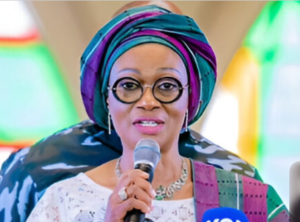
In recent weeks, Nigeria’s First Lady, Senator Oluremi Tinubu, in collaboration with the National Security Adviser, Nuhu Ribadu, announced a national prayer session to seek divine intervention for the country’s pressing issues. The event, which will see participation from both Christian and Muslim leaders, is themed “Seeking the Intervention of God in Nigeria’s Affairs” and aims to address Nigeria’s social, economic, and security challenges through spiritual supplication. While the intention behind the initiative may seem noble, it is difficult to overlook the irony and potential disconnect from the real concerns of the Nigerian people, who are facing the tangible impacts of economic hardship and social unrest.
At a time when Nigerians are reeling from a harsh reality — one brought about by the very policies of Senator Tinubu’s husband, President Bola Ahmed Tinubu — this prayer initiative appears as a superficial attempt to divert attention from the administration’s failure to address its own policy missteps. In fact, Overtnews recalls that the hardships Nigerians currently endure began with the President’s decision to eliminate fuel subsidies, leading to a cascade of economic shocks that has worsened the lives of millions. This editorial examines the wider implications of this prayer session and urges Senator Tinubu to consider advocating for concrete policy solutions rather than relying solely on divine intervention for solutions that should be within human reach.
The Fuel Subsidy Removal and Its Impact
When President Tinubu took office in May 2023, he promptly removed Nigeria’s longstanding fuel subsidy, justifying it as an essential move toward stabilizing the economy. While the subsidy system was certainly flawed, its sudden removal had far-reaching consequences for ordinary Nigerians. Fuel prices more than tripled, leading to a surge in transportation costs, which, in turn, drove up the prices of goods and services across the board. Inflation skyrocketed, and the cost of living became untenable for most Nigerians, with the poorest and most vulnerable bearing the brunt of the crisis.
Since the subsidy removal, there has been little indication that the government has any coherent strategy to mitigate the adverse effects of this decision. Promised palliatives and relief packages have been sporadic, inadequately planned, and poorly implemented, failing to reach the millions in dire need. Moreover, the administration’s other economic policies have done little to provide any real relief. Instead of focusing on tangible solutions, Senator Tinubu’s call for a prayer session suggests a disturbing resignation to fate rather than a proactive approach to governance.
National Prayer Session: A Political Diversion?
The decision to lead a national prayer session may appear well-intentioned, but it risks being seen as a distraction from the urgent need for real policy changes. It is, after all, easier to ask citizens to turn to faith in the face of hardship than to confront the complexities of governance head-on. Senator Tinubu’s gesture may resonate with a portion of the population that holds deeply religious values, but it is unlikely to result in any meaningful change.
This initiative also raises questions about the role of religion in governance. While Nigeria is undoubtedly a religious country, the constitution prescribes a secular state. Rather than relying on religious interventions, the First Lady should consider using her influence to advocate for evidence-based policies that address the root causes of Nigeria’s problems. A prayer session will not reduce inflation, lower fuel prices, or resolve the insecurity that plagues the nation. Only targeted economic and social reforms, crafted by experts and implemented with accountability, can do that.
Calling on the First Lady to Advocate for Policy Solutions
As the First Lady, Senator Tinubu occupies a unique position of influence. Rather than spearheading a spiritual intervention, she could use her voice to advocate for real, impactful change. By focusing on policy rather than prayer, she could lead a call for her husband’s administration to implement measures that would alleviate the economic burden on ordinary Nigerians. This includes re-evaluating the subsidy removal’s impact and introducing a more comprehensive safety net for those most affected.
For instance, Senator Tinubu could press for the introduction of universal health care, improved social welfare programs, and more accessible public transportation to offset the impact of high fuel prices. Additionally, she could champion initiatives that support job creation and economic empowerment, especially for women and youth who are disproportionately affected by the current crisis.
The current administration’s economic policies, which seem designed to prioritize fiscal consolidation over social welfare, have done little to uplift the masses. Austerity measures alone will not solve Nigeria’s economic problems; in fact, they risk deepening them by suppressing demand and stifling growth. What Nigeria needs is a balanced approach that fosters both economic stability and social protection. As someone close to the President, Senator Tinubu could play a critical role in pushing for policies that better serve the Nigerian people.
The Need for Accountability and Transparency
Senator Tinubu’s prayer session initiative highlights another key issue: the lack of accountability in governance. While the government repeatedly calls on citizens to endure the pain of “necessary” reforms, there is little transparency about how public resources are allocated. Nigerians are asked to make sacrifices, yet they see no corresponding effort from those in power. Reports of extravagant expenditures on official luxuries, lavish overseas trips, and excessive allowances for public officials stand in stark contrast to the calls for austerity.
If the government is sincere about alleviating the nation’s suffering, it must lead by example. This means cutting down on wasteful spending, ensuring transparency in budget allocations, and directing resources toward critical sectors like education, healthcare, and infrastructure. Senator Tinubu, as a prominent public figure, should demand accountability and champion the cause of transparency. Rather than rallying the public to pray for relief, she could advocate for reforms that would actually bring about that relief.
Prayer as a Complement, Not a Substitute for Governance
This critique is not an argument against prayer itself. For many Nigerians, faith is an integral part of daily life and a source of resilience. However, prayer should complement, not replace, effective governance. Leaders should not shirk their responsibilities by appealing to divine intervention for problems that are within their power to address. History shows that successful nations are built not on mere hope and faith, but on visionary policies, disciplined leadership, and a commitment to justice and equality.
While Senator Tinubu’s initiative may bring temporary solace, it ultimately risks fostering a culture of complacency and fatalism. If the First Lady genuinely cares about alleviating the suffering of Nigerians, she must go beyond symbolic gestures and demand substantive action from her husband’s administration.
Conclusion: Real Change Begins with Leadership
In this critical moment, Nigeria needs leadership that is both empathetic and practical. Senator Tinubu’s position as First Lady offers her a unique platform to effect real change. Rather than promoting a national prayer session, she should be advising her husband to enact policies that prioritize the well-being of the Nigerian people over fiscal targets and austerity measures.
We urge Senator Tinubu to take a stand for the millions who are struggling to survive in today’s Nigeria. Real change begins with leadership that is willing to confront hard truths, make difficult choices, and prioritize the needs of the people over political expedience. For too long, Nigerians have been told to endure hardship for the promise of a better tomorrow. It is time for the government to make good on that promise, not through prayers alone, but through actionable, people-centered policies that offer genuine hope for the future.


