

Afor Kenneth
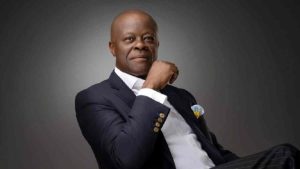
Nigeria’s Minister of Finance and Coordinating Minister of the Economy, Mr. Wale Edun, has announced a comprehensive economic plan focused on achieving sustainable development for the nation.
The announcement came during the 2025 KPMG Arise TV Budget News Day in Abuja, where Edun outlined the Federal Government’s fiscal priorities and economic direction for the upcoming year, according to a statement issued by Mohammed Manga, the Ministry’s Director of Information and Public Relations.
READ ALSO: Tinubu Directs Finance Minister, Wale Edun to Establish New Minimum Wage Structure
The minister emphasized the government’s commitment to fiscal discipline, revenue mobilization, and creating an improved investment climate. The administration has set an ambitious GDP growth projection of 4.6 percent for 2025, with long-term aspirations of reaching 7 percent annual growth—a target deemed essential for poverty reduction and sustainable development efforts.
Macroeconomic stability remains a top priority, with the government focusing on exchange rate stability, maintaining a trade surplus, and increasing oil production to strengthen Nigeria’s position in the global market. Edun noted that foreign reserves have now exceeded $40 billion, which he described as a sign of growing confidence in the country’s economic policies and financial management approach.
The minister highlighted the private sector’s critical role in driving economic growth, particularly through Public-Private Partnerships (PPPs). These partnerships are viewed as essential for addressing Nigeria’s estimated $100 billion annual infrastructure investment gap. Major projects already planned under PPP frameworks include the Benin-Asaba Highway and Lagos-Abeokuta Road, which aim to reduce travel times and boost productivity.
In the energy sector, Edun emphasized the importance of domestic refining, with the Dangote Refinery now leading local crude petroleum processing. This shift is expected to significantly reduce import dependence, strengthen energy security, and enhance economic resilience.
The minister also discussed ongoing fiscal policy reforms, including efforts to expand the tax base, streamline revenue collection processes, and create a more business-friendly tax system. He stressed that the government is pursuing a balanced approach to taxation that will encourage investment while ensuring adequate funding for national priorities.
Looking ahead, Edun reaffirmed the government’s dedication to economic transformation through policies that promote growth, stability, and private sector participation. Building on strategic reforms, he expressed confidence that Nigeria is positioned to unlock new opportunities for prosperity, accelerate national development, and secure a brighter future for generations to come.


