

Afor Kenneth
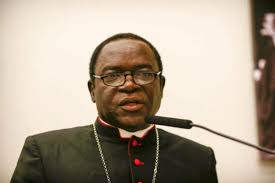
Bishop Matthew Kukah of the Sokoto Diocese offered insights into the challenges facing democracy in Nigeria, despite its global recognition as an ideal form of governance.
Speaking at The Platform Nigeria, an event organized by Covenant Nation to commemorate 2024 Democracy Day, Bishop Kukah highlighted the difference in democratic foundations between Europe and Nigeria.
While European democracy was shaped by the philosophical thoughts of various thinkers, Nigeria’s democratic system was not rooted in the country’s unique historical, cultural, or anthropological context.
This disconnect, he implied, has contributed to the struggles Nigeria faces in consolidating its democratic gains.
“What is missing in our conversation is that unlike where the principles of democracy were founded on the thinking of several philosophers from Plato, Socrates, Aristotle etc, our democracy has paid very little attention,” Kukah said.
“We have been involved intellectual conversations about democracy but modern liberal democracy as we understand it today benefitted extensively from the work of people like St Augustine and St Thomas Aquinas.
“It is also quite significant that Joe Biden even in his presidential address had to quote St Augustine and it means therefore that it is the teachings and philosophies and theology of some of these scholars that led the foundation to what we call democracy today.
“Unfortunately, our democracy is in decline, is in recession precisely because it is evident to us that what we are working with is not something that come from our own historical, cultural or even anthropological experiences.”
The clergyman lamented that Nigerians’ excessive focus on politics hindered their ability to think critically about the future, prioritizing short-term gains over long-term planning.
He noted that the country’s fixation on immediate political gains, such as the 2027 elections, distracted from visionary thinking and planning for the future, like envisioning what Nigeria would look like in 2040.
Bishop Kukah also attributed Nigeria’s economic struggles to mismanagement, which exacerbated the global economic recession. He criticized legislators for neglecting their responsibilities, instead prioritizing personal interests, lavish benefits, and unnecessary travel.
This lack of financial discipline and prudent economic management, he argued, forced the country to rely heavily on borrowing to fund projects, jeopardizing its economic future.


