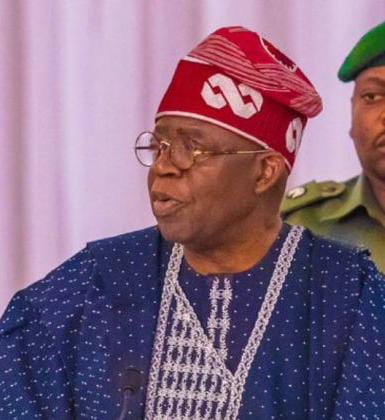
In the early days of President Bola Ahmed Tinubu’s assumption of office, he ordered that the naira be allowed to find its level, using a single exchange rate and thereby suspending the initial dual exchange rate regime while recognizing the official rate.
Many lauded the president’s initiative, expecting it to solve the indiscriminate overpricing of the exchange rate, particularly in the black market.
According to economists and analysts, the initiative was meant to let market forces determine the exchange rate.
However, the current reality deviates from expectations, with the naira currently at 1414.125/$1, as cited on the Central Bank of Nigeria (CBN) website on Friday, February 2, 2024.
It is worth recalling that on the day the President was sworn in – May 29, 2023, the naira was exchanged for the dollar at the rate of N770, according to reports monitored by Overtnews.
The current situation is not what was envisaged, as the exchange rate continues to soar. While initiating a single exchange rate system was a good intention, the president perhaps did not take into consideration the subsequent effects.
Floating the Naira refers to allowing the currency to fluctuate in value based on the foreign exchange market rather than fixing its value to a specific rate. This can have significant implications for an economy, and getting it wrong could have serious consequences.
Below are some of the factors that were not taken into cognisance before implementing the policy.
- Poor Timing: The timing of implementing the floating exchange rate system was done during a period of economic instability when the country is facing significant internal pressures such as the removal of fuel subsidy which has exacerbate the existing issues.
READ ALSO: Those Celebrating Naira Fall Against Dollar Are Clown- VP Shetimma
Given the current realities, President Tinubu did not carefully asseed the economic conditions to ensure that the country is prepared for such a transition.
- Lack of Regulatory Framework: Implementing a floating exchange rate requires a well-defined regulatory framework to guide the currency’s fluctuations and prevent excessive volatility. This, the President failed to put in place which has led to rampant speculation and instability in the foreign exchange market.
- Inadequate Monetary Policy Coordination: Floating the Naira necessitates a cohesive and well-coordinated monetary policy to manage inflation, interest rates, and overall economic stability.
- Currency Speculation: Without proper safeguards, floating the Naira could expose the currency to speculative attacks, leading to rapid depreciation and loss of investor confidence.
- External Factors: A decision to float the Naira could be influenced by external factors such as global economic conditions, trade agreements, and geopolitical events. This may not have been considered to carefully consider these external factors and their potential impact on the Naira’s exchange rate to avoid unintended consequences.
- Communication and Transparency: Successfully implementing a floating exchange rate system requires clear communication and transparency to manage expectations and mitigate uncertainty.
It’s important to note that implementing a floating exchange rate system involves significant complexities and potential risks.
It is believed that President Tinubu obviously did not surround himself with knowledgeable economic advisors and experts to navigate the intricacies of such a policy change.